

Lost or Found
How to calibrate a compass when you get knocked off course.

The first alert came through when it was dark and raining and I couldn’t do anything about it. If I stepped outside, I would only see cold water in my face. I checked the weather and saw more promising conditions on the other side of nightfall.
We ride at dawn, I whispered to my binoculars.
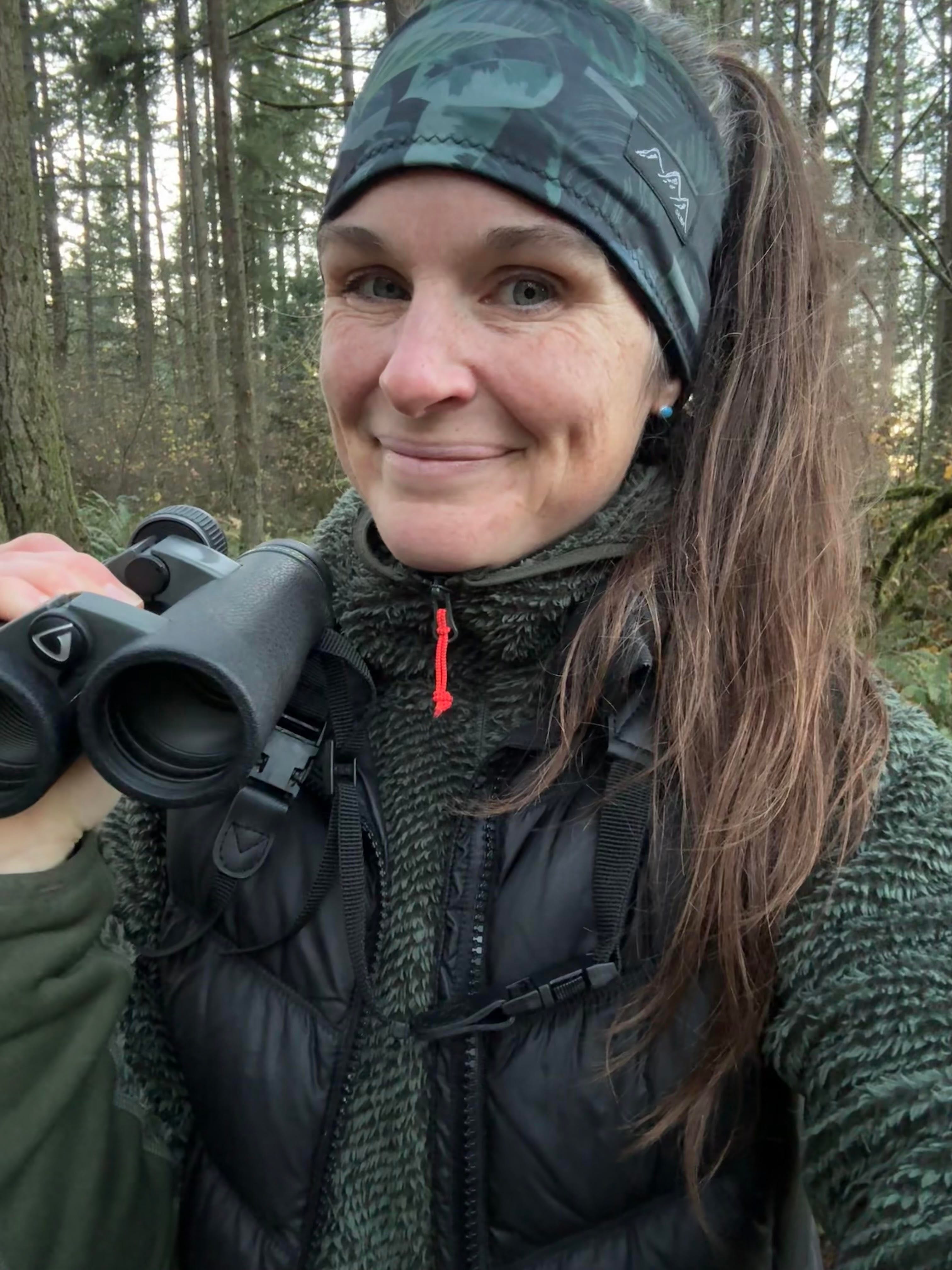
A Hooded Warbler, an uber rare bird for Oregon, had been spotted in the southeast hills of Eugene and I wanted to get eyes on it.
I signed up for rare bird alerts not all that long after I got my first pair of binoculars. I figured I may be new to birding, but can appreciate the thrill and intrigue of rarity. I wasn’t sure what would pop up, but if a flamingo landed in the middle of the Willamette River, I wanted to know.
I looked up the bird that was causing a bit of commotion on the local birdwaves.
A canary yellow bird with a striking black hood around its face stared back at me from my phone screen.
Then, I looked at the map of its range and saw much of its home territory skirts the Atlantic or Caribbean. And while it’s a migratory bird that travels long distances, its typical route is over the Gulf of Mexico, about 3,600 miles away from Eugene. It likes to winter where the water comes in shades of neon and the temperature’s about 60-degrees north of a standard November day in the Pacific Northwest.
Okay, now I’m really paying attention, I whispered to the little bird on my phone.
I wanted to know: What was this warbler doing so far from home?
The Jaws soundtrack would’ve been the perfect music for my first drive to the pool after my doctor recommended a weeks-long break from running.
I hadn’t set foot or fin in an indoor pool in over a decade. Swimming has become synonymous with serious injury or troubled waters and I only do it out of necessity these days.
The last time I was a regular at a pool was when I broke the fifth metatarsal in my right foot. I’d tripped sprinting down cement stairs after someone gnarled their hand into a fist and cocked it at my face.
That injury had violent roots and remained a blow to the ribs. I’d crutch my way to the pool like I was walking to the gallows, strap a plastic bag around my foot, and slide into the water with enough resentment to flood the mid-Atlantic.
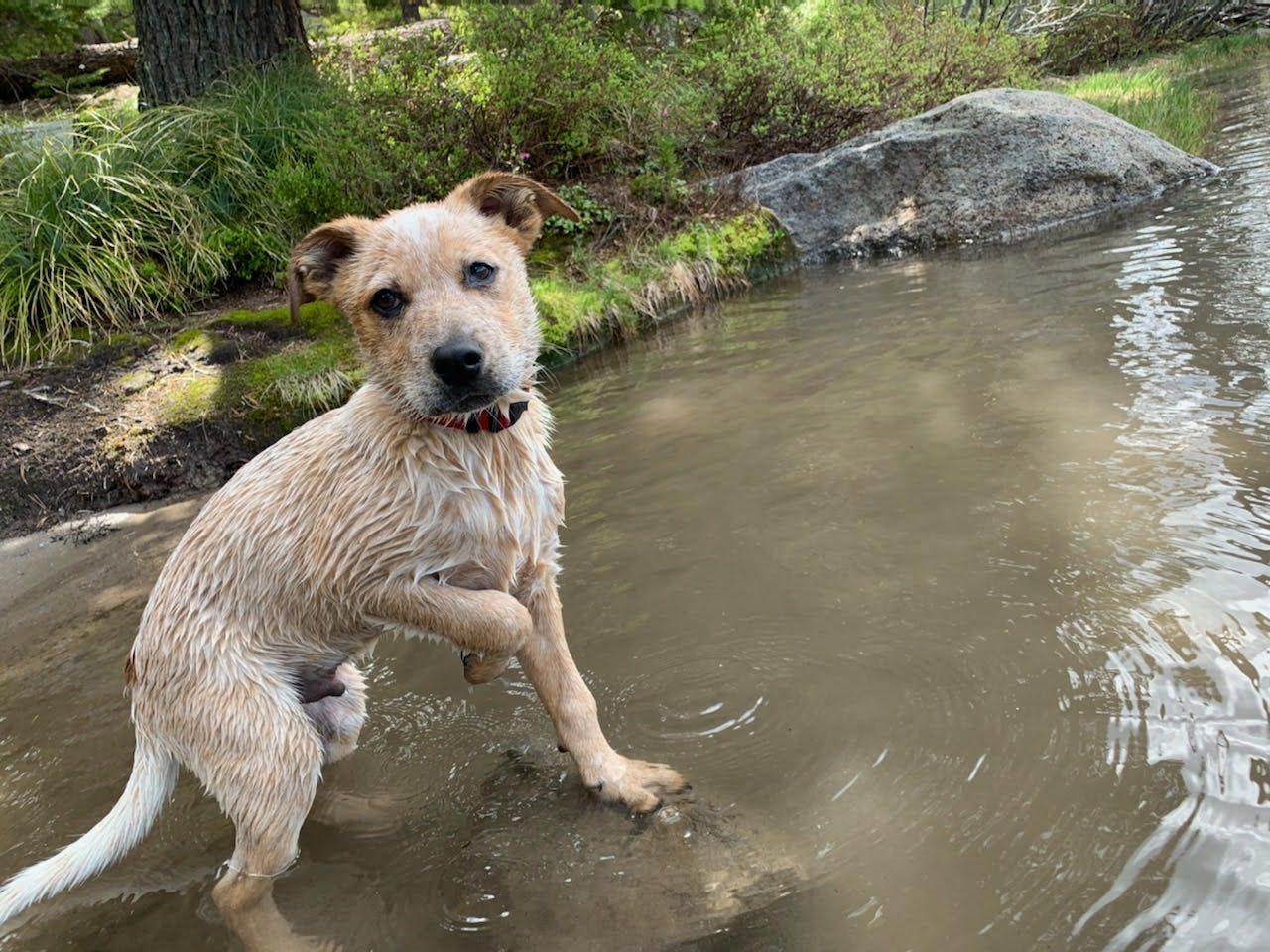
I don’t have a cast or plastic bag this go-around, but the pool is still painted grey. As I got in that first day, I pictured Dilly anytime he earns himself a bath after rolling through an unidentifiable smelly object.
When the nozzle spurts on, he shrinks into sagging shoulders, drops sad ears to the ground, and looks at you like there is no worse fate than getting unwillingly thrown into water.
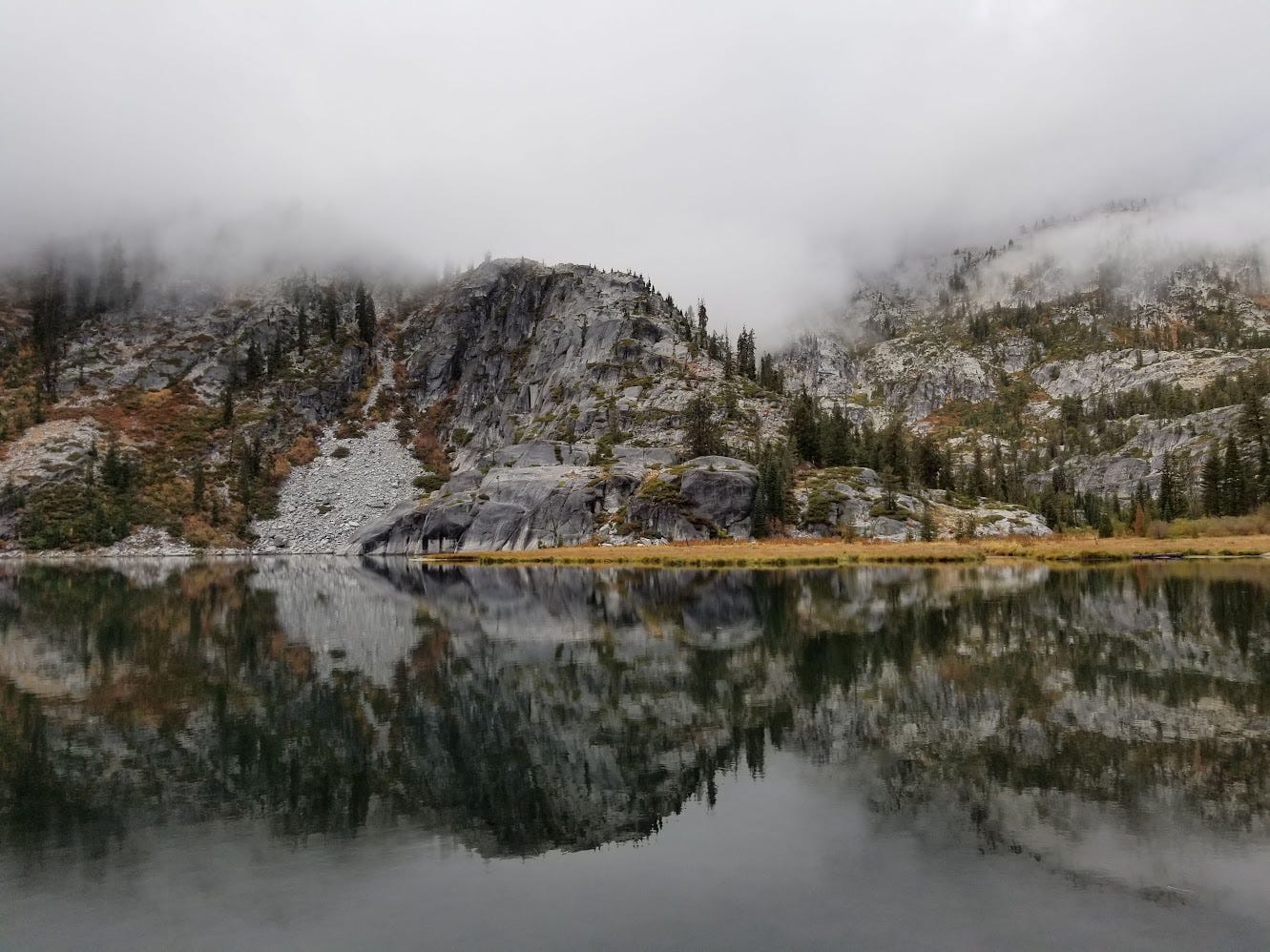
Minutes after sunrise the next morning, I grabbed my binoculars and navigated myself to the wandering warbler’s last known location. I wondered how hard it would be to find a half-ounce bird in a neighborhood lined with four-ton trees.
Vagrant birds, like the Hooded Warbler in Eugene, are birds that are found well outside their normal range of movement.
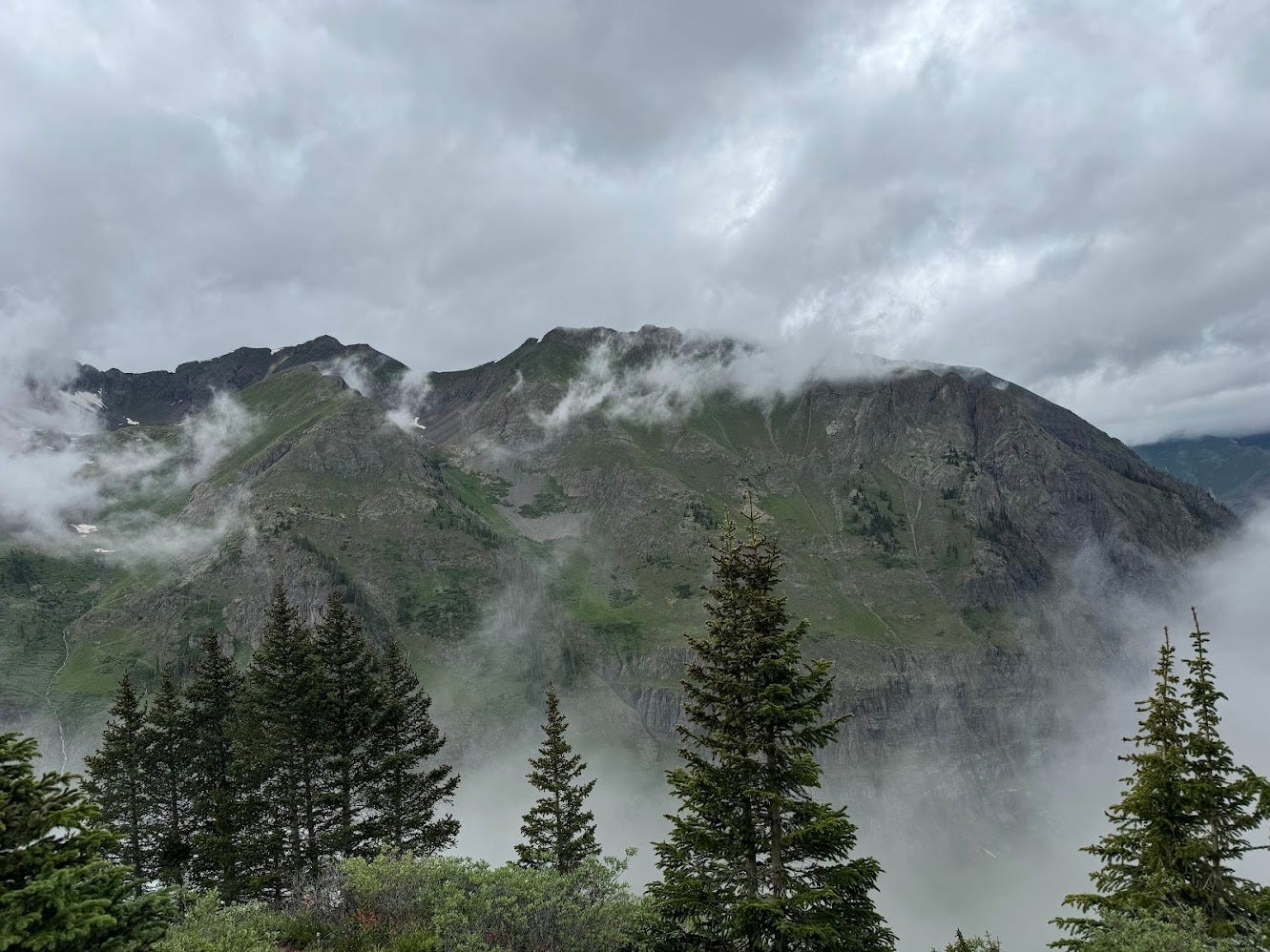
It was once thought that these vagrant birds were thrown off course by major storms. That some combination of vicious winds, punishing rain, and atmospheric unrest would disrupt their typical flight pattern and strand them.
To see a bird like the Hooded Warbler so many miles from home meant their life had been upended by devastation.
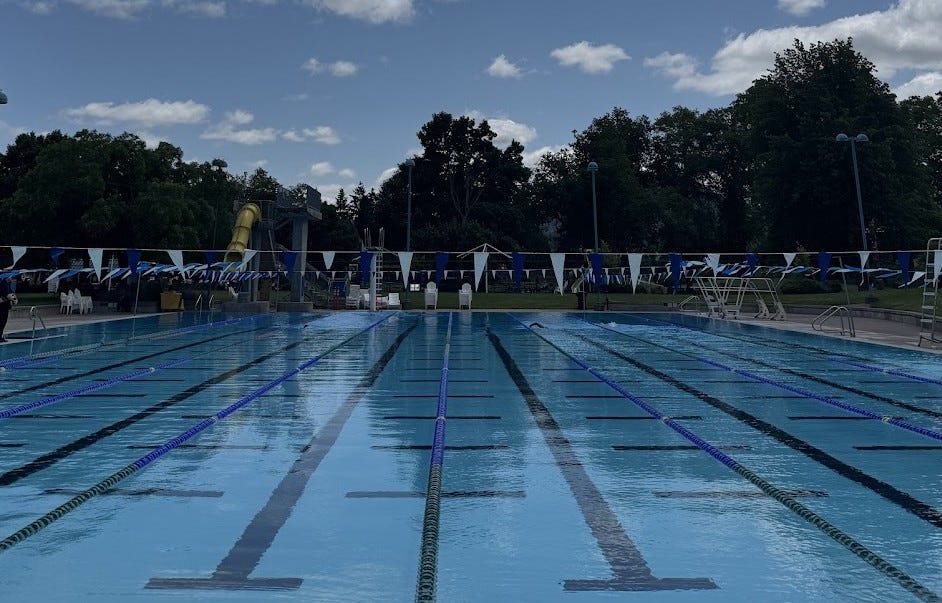
On my first lap back, all I could think about was how many more I needed to do before I could get out. I looked at the black line at the bottom of the pool and watched it stretch into infinity.
As my hand cut into the water, I thought back to before the broken foot, when a stress fracture relegated me to the pool.
Another lap and I remembered when I squeezed Ironman training around my more-than-fulltime Congressional job and grew to resent much of it. When I had to go to the pool past 8pm, I’d glare at my goggles and spit curses at the sport of swimming. I was burned out and completely unmoored from why I’d chosen to train and race in the first place.
The next lap carried me back to my college swimming days. I was a walk-on who never quite fit in on the team. I remember passing other swimmers on the way to class and watching them look anywhere but my direction. Every practice felt like a scene out of Mean Girls and I was not sitting at the cool kids’ table. I quit the team after two seasons.
Every lap that day was a trip down the worst memory lane. The entire swim was a countdown. Each stroke begging to get the hell out of there.
It was easy to find the birders who had ditched their Monday morning plans to play hide and seek with a small songbird. I looked down the forested street and saw a group with binoculars and fingers to the tree canopy.
It was much harder to get eyes on the warbler. It was a ping-pong ball of a bird. Bouncing from oak to fir, twig to needle, yard to yard. It was often concealed in foliage and always on the move.
When I was learning to swim, I loved being in the pool so much that the instructor had to strap a bubble around my waist so I wouldn’t spend the entire lesson underwater.
I loved the freedom of weightlessness in the water. Like you could know what it feels like to fly if you ducked beneath the surface. I’d glide and somersault and launch myself from the pool bottom like I was a gold medalist in aquatic gymnastics. One day, I was a mermaid, twirling around with her sea creature friends. The next, a dolphin showing off her flips, or an eel hunting unsuspecting ankles.
I’d swim until my eyes were bruised with goggle lines and my hair stiffened into chlorinated straw.
It must’ve been beginner’s luck that helped me spot the warbler within a few minutes of arriving. But, I stayed to keep looking for a while.
I wanted to see it again, to savor its bright feathers and bubbly hops on a grey November day – and I wanted to watch the burst of excitement when other people found it. Spotting the ever-bouncing bird was like finding a pot of gold at the end of a rainbow.
I joined the swim team when I ran out of swim lessons and quickly turned swimming into my life.
I was often the last one at practice, with my coach shouting my splits as if they needed to reach the far corner of the building, and not just the lone swimmer left throwing her arms over the water again and again.
Our pool was basically a swimmable dungeon. It was dark, dingy, and my favorite place on earth. To open the door to the overpowering smell of chlorine was to come home.
Before our biggest meets, I’d train in nylons for weeks to get extra drag in the water. I learned about tapering and the power of your mind as an athlete. I’d lie on a towel after practice, head propped up on a pull buoy, and visualize my race. Picture how much I wanted to be a swordfish cutting through the water. Imagine the thrill of charging into the wall and seeing the time I wanted on the clock.
When I dove into the water to race with fresh and hungry legs, it felt like flying.
It turns out, it’s probably not storms that send vagrant birds so far from home.
Some research suggests these vagrant birds might actually be curious explorers. They could be like excited trail runners, who want to see what’s around the next bend.
I watched the warbler bounce and dart and jump around. I wondered how this little banana bird ended up in Oregon, if it was hopping around the clouds and decided to hook a left towards the snow-capped Cascades and evergreen forests.
Weeks later, people are still spotting it nearly every day. Who knows how many bends it followed to get here, but it seems the warbler has found somewhere it wants to stay a while.
It’s been a month since my last run. I’m in the pool more days a week than not.
There are moments when I catch the water in a certain way, when I find flow, and it feels like my body is remembering that this used to be a happy place. That I had to be physically restrained from guzzling more time in the water. That it used to smell like home.
I lost the joy of swimming somewhere between burnout and injuries. The pool transformed into a place I’d only land if a storm blew me off course.
I think about my little warbler friend, who is nowhere near his normal range of movement and, to my newbie birder eye, seems like it’s having a ball. Who probably got there by orienting its internal compass towards curiosity and exploration.
I wondered if I could do the same while I’m away from my normal range of movement - and beyond. Could I find my way back to joy? When our love for something has eroded over time, can we rebuild it from the rubble.
Can I get in the pool to swim and not feel like a storm sent me there? But, instead, remember how much I loved to move through the water and feel like I’m flying.
Thank you for reading Trail Mix. If you want to read more of my writing, you can get (or gift!) my book, To the Gorge. And, you can subscribe to Trail Mix for more stories about life and running, dispatches from the wilderness, and essays about how it all collides.
Gosh, Emily, this is terrific. I love the transitions from the warbler to your love/hate relationship with swimming, and the imagery that lets me see the hopping warbler making new discoveries, and you allowing yourself to consider a renewed love of the pool. Merry Christmas and Happy New Year to you and Dilly and Ian! Love you.
The vagrant warbler research detail is brillaint here because it completley reframes the entire metaphor. Instead of being knocked off course by a storm, the bird chose to explore, which inverts the whole injury narrative. I spent a few years in competetive swimming and there's something about pool training that either amplifies or strips away everything else in life. The black line becomes either a meditation or a prison depending on what lens you bring to it. The sensory memory stuff here (chlorine as home, goggle bruises) hits different when contrasted with the jaws soundtrack opening. Curious if the warbler is still hanging around Eugene, those vagrant stays can be unpredictable.